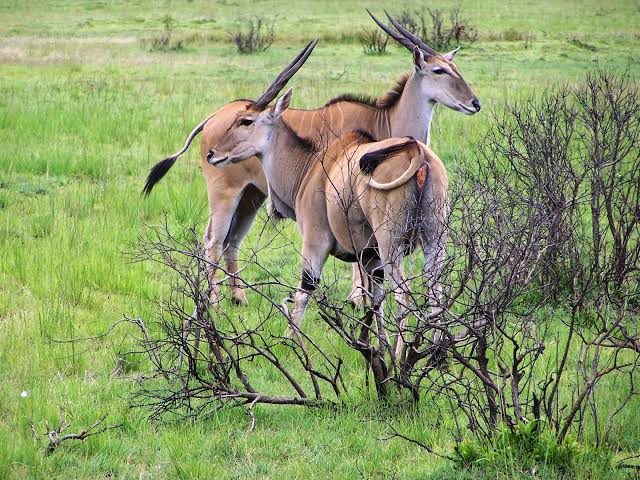
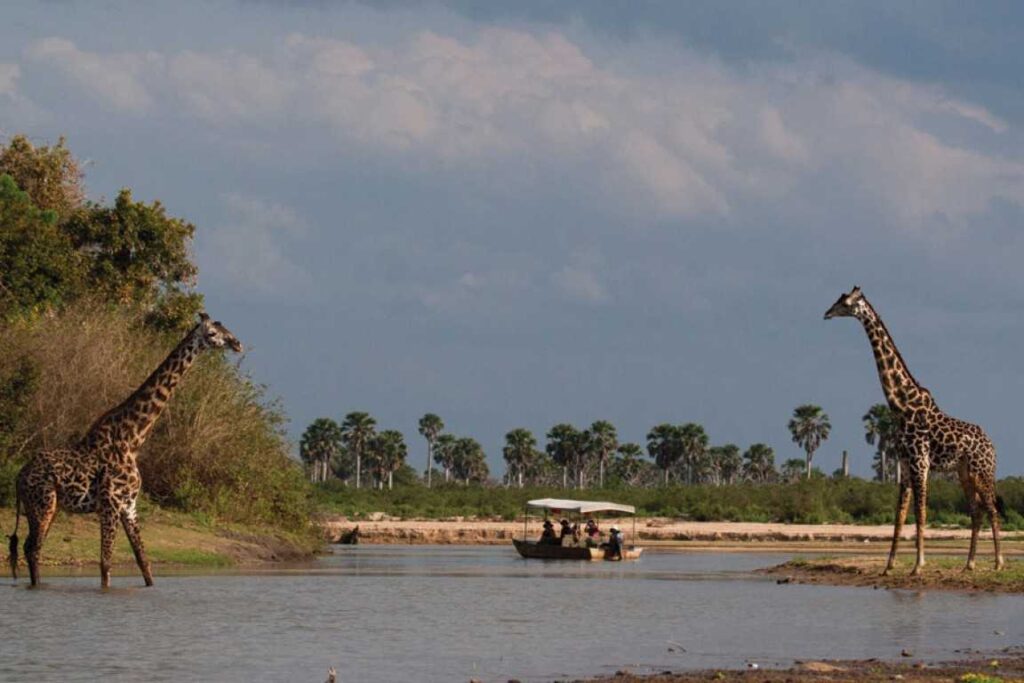
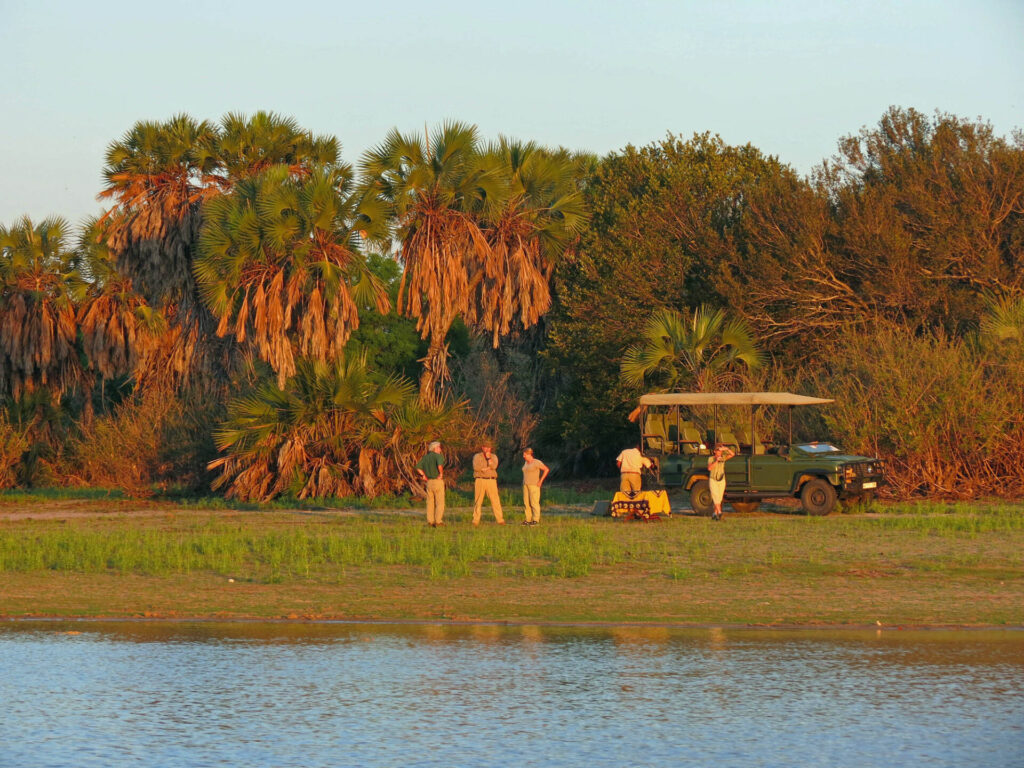
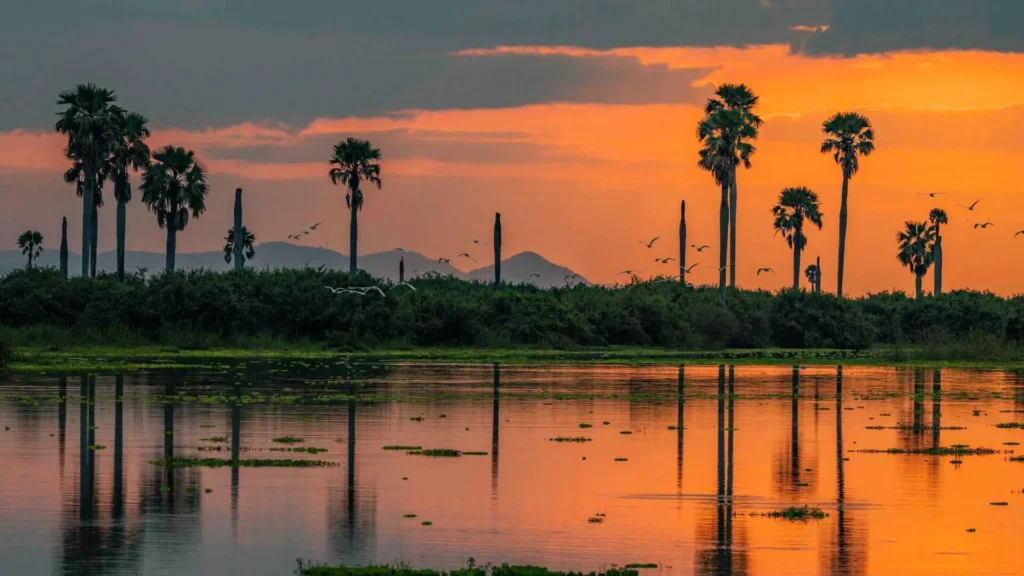
June to October – Best Time for Wildlife Viewing The dry season from June to October is the most popular time to visit Nyerere National Park. As water becomes scarce across the park, large numbers of elephants, buffalo, giraffes, zebras, antelopes, and other wildlife gather along the Rufiji River and surrounding water sources. Predators such as lions, leopards, spotted hyenas, and the endangered African wild dog also become easier to find as prey animals concentrate in these areas. This season is also ideal for the park’s famous boat safaris. Cruising along the Rufiji River allows visitors to observe hippos, crocodiles, elephants, and a wide variety of birdlife from a completely different perspective. The combination of game drives, walking safaris, and river excursions makes June to October the ultimate safari season in Nyerere National Park. July to September – Peak Safari Season The months of July to September are considered the peak safari period in Nyerere National Park. Wildlife viewing reaches its highest level as animals continue to gather around permanent water sources. The dry landscapes provide excellent visibility, making it easier to spot both herbivores and predators during game drives. This is also one of the best times for photography, with clear skies, golden grasslands, and dramatic wildlife encounters creating perfect conditions for capturing memorable safari moments. Despite its popularity, Nyerere remains far less crowded than many northern Tanzania parks, offering a peaceful and exclusive safari experience. November to February – Green Season and Bird Watching From November to February, seasonal rains transform Nyerere into a lush green wilderness. Rivers and floodplains fill with water, vegetation flourishes, and migratory birds arrive from Europe and Asia, making this one of the best times for bird watching. The park is home to more than 440 bird species, creating excellent opportunities for nature enthusiasts and photographers. This period also marks the birth season for many antelope species, attracting predators and creating fascinating wildlife interactions. Although animals become more dispersed because of abundant water, visitors can still enjoy rewarding game drives, beautiful scenery, and fewer tourists. March to May – Long Rainy Season The long rainy season from March to May brings heavier rainfall, and some roads within the park may become difficult to access. Many safari camps close temporarily during this period due to challenging travel conditions. Wildlife is more widely distributed across the park, making animal sightings less predictable than during the dry season. However, the landscape is at its most beautiful, with lush vegetation, flowing rivers, and vibrant birdlife. Travellers looking for complete tranquillity, spectacular scenery, and outstanding photography opportunities may still enjoy visiting during this quieter time, provided they plan their trip carefully.